Explore South Korea with Confidence
Practical guides and story-driven city journeys for transportation, money, local food, culture, and essential trip planning.
Start Here: Solve Your First-Day Travel Questions
Choose the question you need answered now, then explore the full topic categories below.
- Maps and translation: Choose travel apps and check offline limits
- Getting from the airport: Incheon Airport to Seoul · Arriving after midnight
- Paying for buses and subways: Buy and reload T-money · Compare transportation cards
- Getting cash: Foreign-card ATMs, fees and declined withdrawals
- Finding a table: Restaurant bookings and waitlists without a Korean number
- Storing bags for the day: Compare lockers, sizes and pickup hours
- Traveling between cities: Choose and board an intercity bus · Book KTX tickets
Travel Essentials
Prepare for your trip with practical guides to money, mobile data, and the essentials first-time visitors need.
-
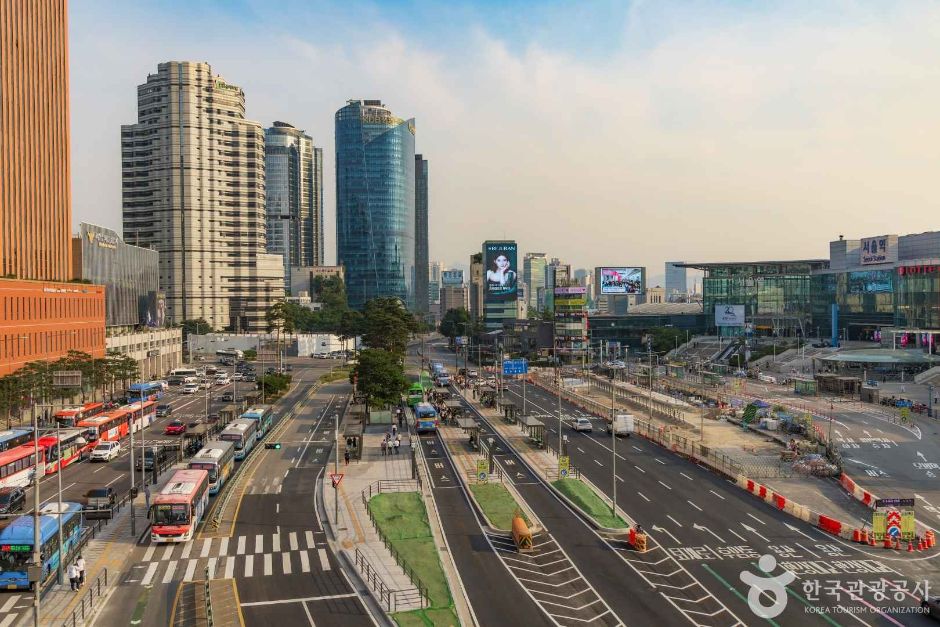
Korea Travel Itinerary: Seoul–Busan in 10 Days, Jeju in 13
A realistic Korea travel itinerary from a Seoul hotel: compare rail, bus and flights for Busan and Jeju, leave room for rest, and avoid…
-
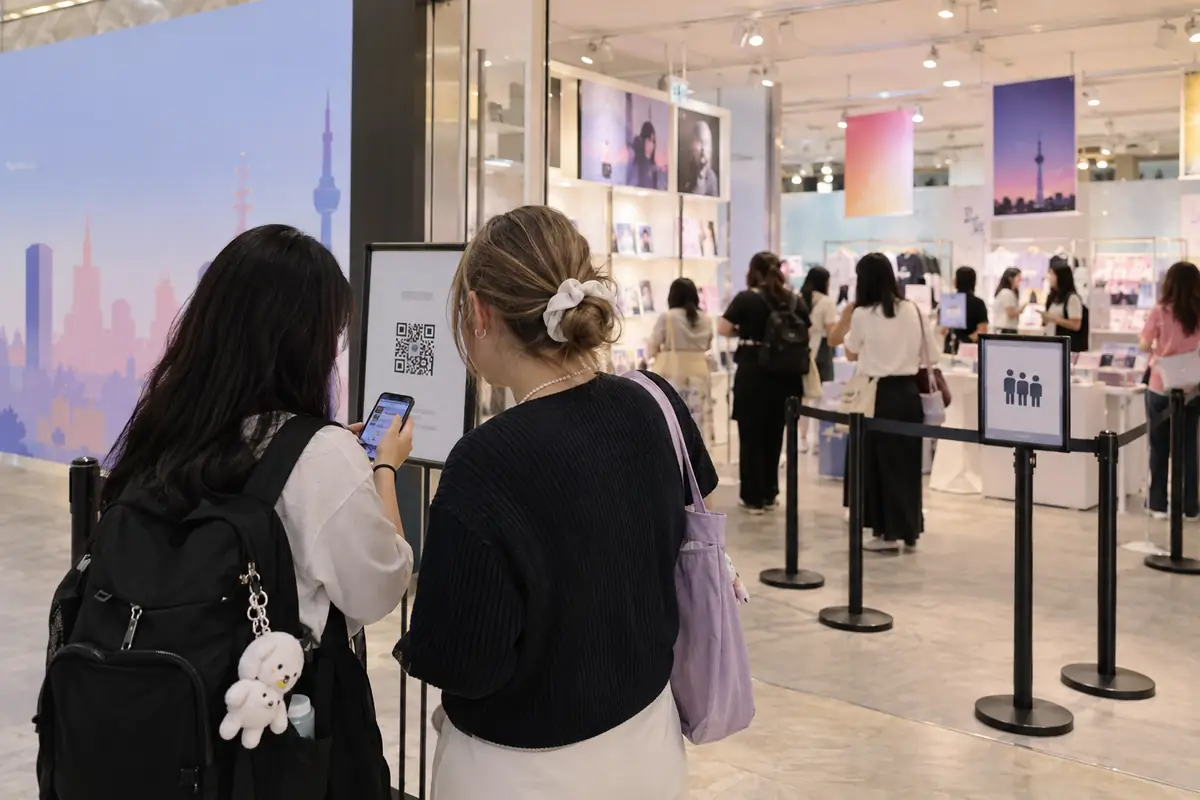
K-pop Pop-up Stores in Korea: 7 Entry Checks
You find a pop-up announcement at night, translate the poster and tap the reservation link. Then the easy-looking plan turns into three different questions:…
-
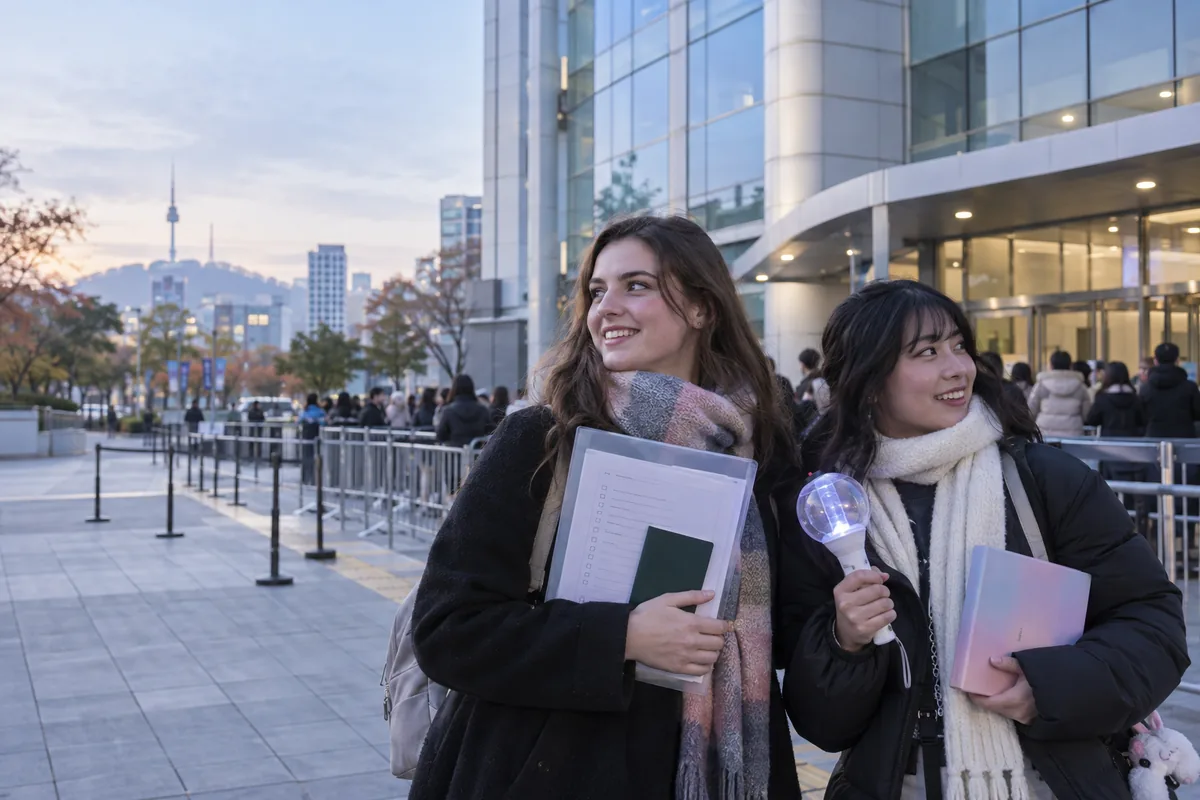
How to Attend a K-pop Music Show in Korea as a Foreigner
Featured image: AI-generated illustration; not a photograph of an actual music-show check-in or evidence of entry requirements. Getting a concert ticket is one thing.…
Transportation
Move around Korea confidently with beginner-friendly airport, subway, bus, and transportation-card guides.
-
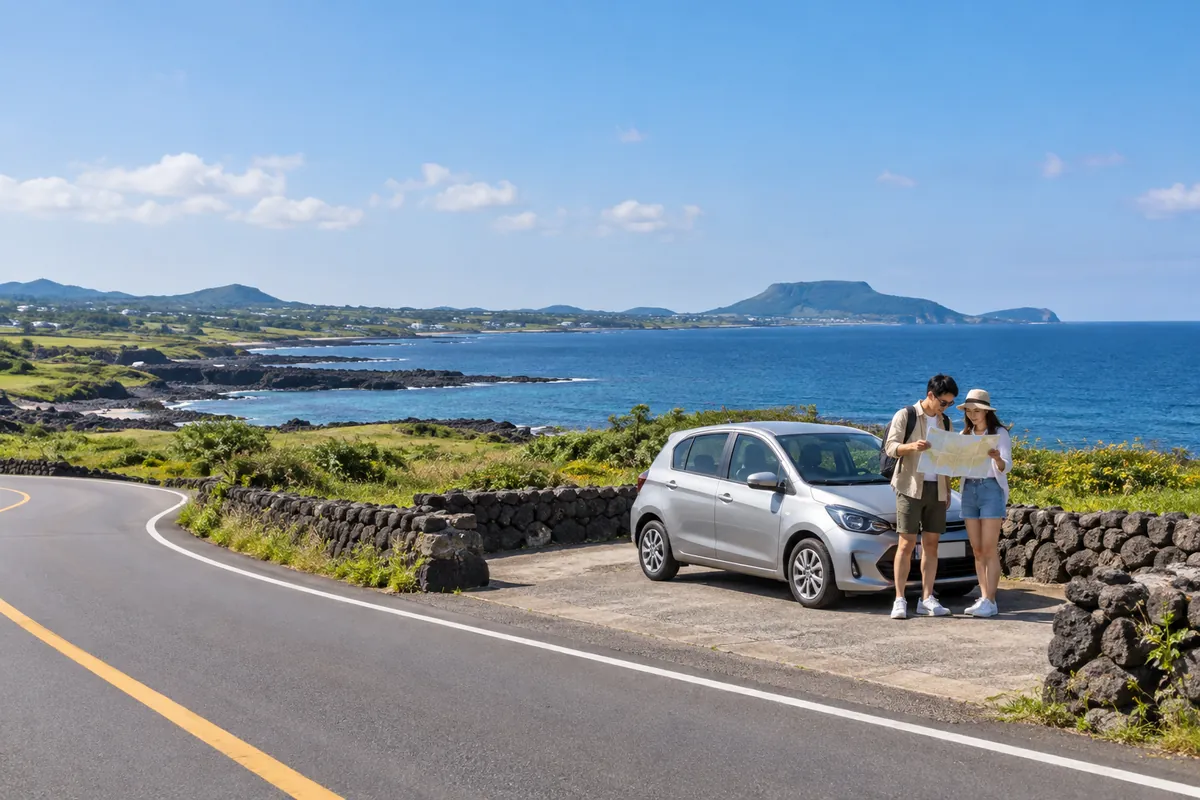
Jeju Car Rental Guide: International Driving Permit, Airport Pickup & Insurance
Plan a Jeju car rental with confidence: check your International Driving Permit, required documents, airport shuttle, insurance exclusions and total cost.
-
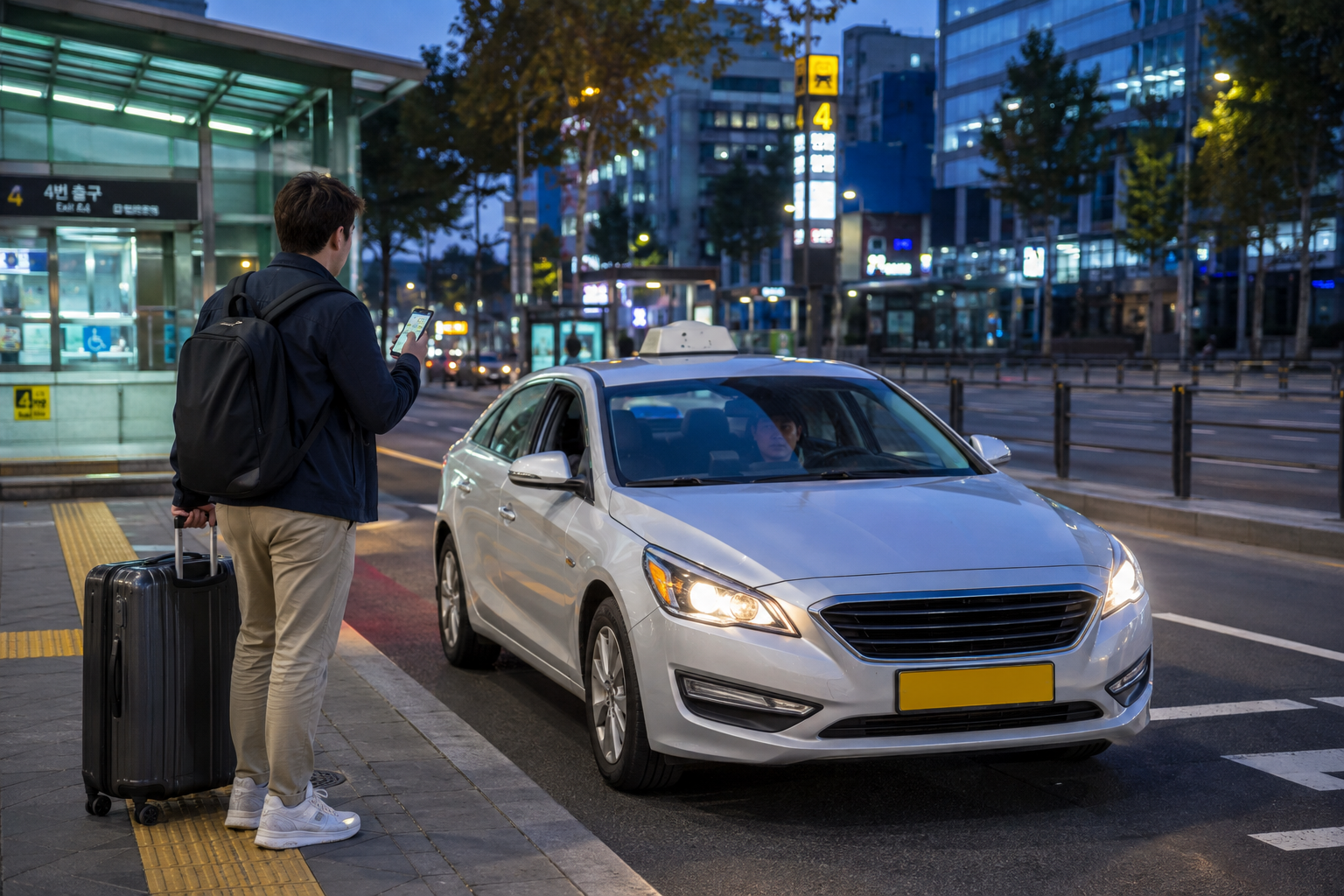
Korea Taxi Guide 2026: Apps, Fares, Payment and Safety
Have a destination the driver can use before you request a taxi. Save the Korean address and the correct entrance, especially for a hotel…
-

Korea Intercity Bus Guide: Tickets, Terminals & Boarding
A practical Korea intercity bus guide to Seoul and Busan terminals, express-bus classes, booking and foreign-card limits, ticket collection, luggage and boarding.
Local Food & City Guides
Taste and experience Korea through local restaurants, traditional markets, neighborhoods, culture, and distinctive city stories.
-

Hwangnyeongsan Sunset: 3 Scenic Stops from Namcheon
A Hwangnyeongsan sunset trip works best when the afternoon starts slowly: something sweet in Namcheon-dong, a ride up the mountain, then enough time to…
-

Haedong Yonggungsa: 3 Scenic Stops & a Seafood Lunch
Haedong Yonggungsa gets you out to the coast. Lunch in Yeonhwari gives you a reason to stay. But what if the seafood platter looks…
-
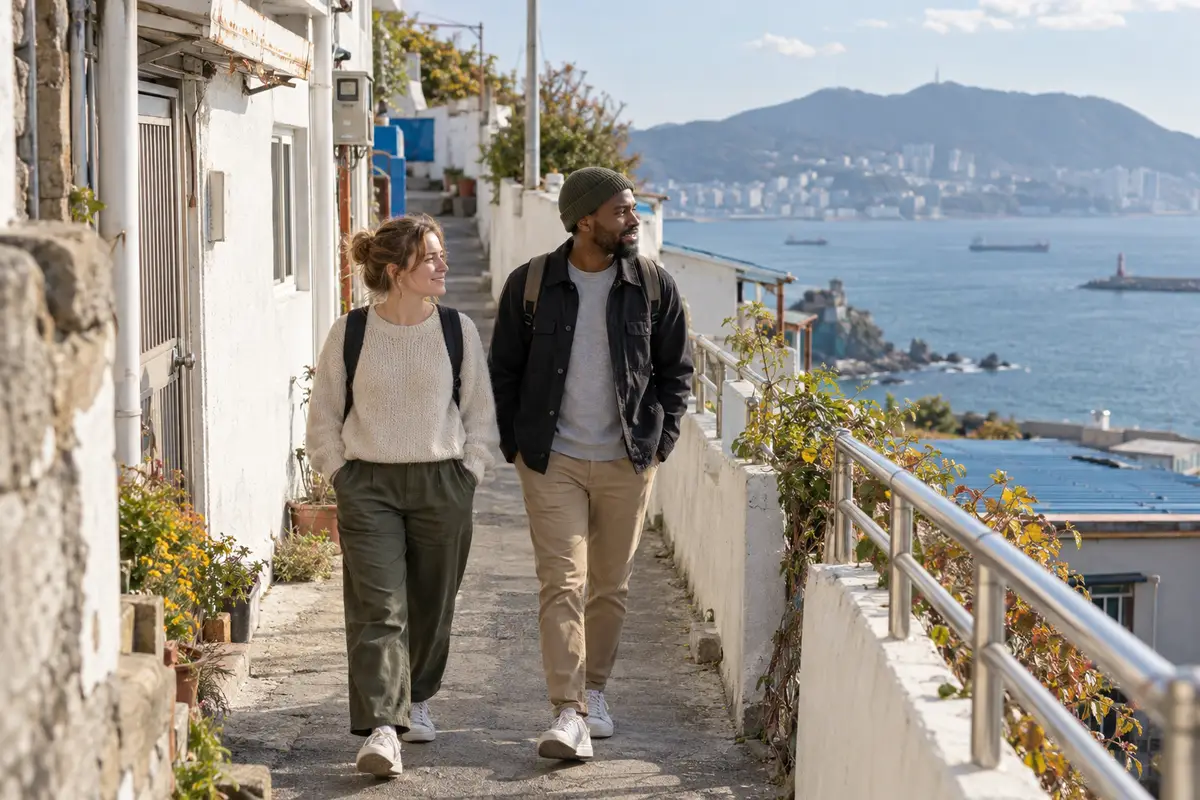
Huinnyeoul Culture Village: 4 Easy Stages in Yeongdo
Huinnyeoul Culture Village is the main event of this Yeongdo afternoon—not a quick photo stop between five other attractions. Start with pork soup in…